News
•
October 28, 2026
•
4 min read
Morocco's Commitment to Anti-Corruption Efforts Highlighted at OIC Meeting in Baku
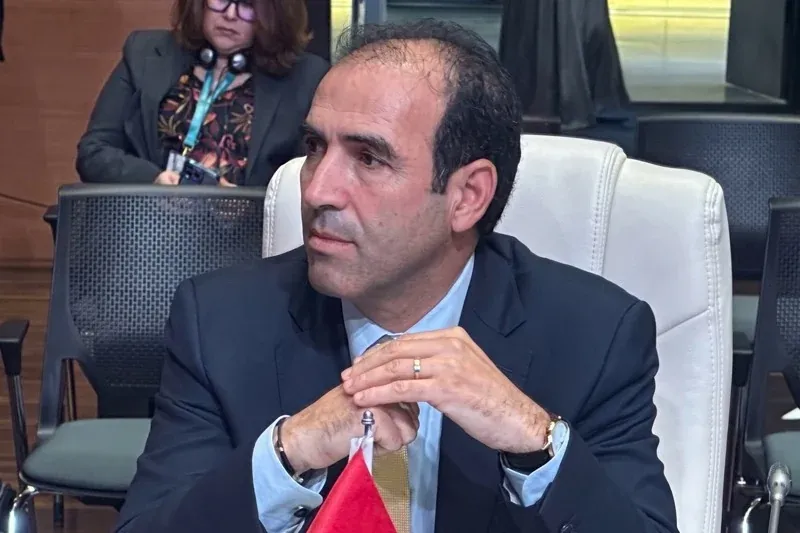
In a significant address delivered in Baku, Azerbaijan, on Wednesday, Mohammed Benalilou, the President of Morocco's National Authority for Integrity, Prevention, and Fight Against Corruption, underscored Morocco’s unwavering commitment, under the leadership of King Mohammed VI, to establishing a robust framework of the rule of law, safeguarding rights, and ensuring accountability within the governance structure. He articulated that the 2011 Constitution has laid a clear foundation for this reformative path, which is pivotal in fostering public trust and enhancing developmental outcomes.
During the third ministerial meeting of the anti-corruption law enforcement agencies of the Organization of Islamic Cooperation (OIC), Benalilou elaborated on how Morocco has embraced this reform agenda. He highlighted the nation's advancements in promoting good governance, ensuring judicial independence, and instituting mechanisms for oversight and accountability, all while actively combating practices detrimental to integrity. The Moroccan government has made significant strides in legislative and institutional reforms, bolstering the capabilities of the judiciary and law enforcement agencies. Moreover, it has developed a comprehensive anti-money laundering framework, modernized public financial management systems, and expanded digital transformation initiatives to enhance access to information.
Benalilou further noted that these reforms are not isolated efforts, but rather part of a strategic collective goal aimed at strengthening the state's ability to eradicate the roots of corruption, protect citizens' rights, and enhance the effectiveness of oversight bodies. He referenced the significance of the Makkah Agreement, which extends this cooperative approach among member states, emphasizing its role in tackling one of the most critical phases of crime identification, including the identification of involved parties and the tracing of illicit funds.
Stressing the vital importance of this agreement, the President of the National Authority for Integrity pointed out that fostering information exchange and investigations between law enforcement authorities is crucial for preventing, uncovering, and prosecuting corruption crimes. This collaborative effort not only aids in the recovery of stolen assets but also involves enhancing technical assistance and exchanging expertise to empower institutions in fulfilling their cooperation responsibilities effectively.
He articulated that the dual goals of enabling relevant authorities to access critical information and equipping them with the necessary resources for effective action are imperative. The collective responsibility lies in enhancing the capacity of our nations to safeguard their resources, maintain institutional integrity, and ensure justice in developmental choices. Corruption undermines public trust and depletes developmental potential, posing a significant threat to societal advancement.
Benalilou remarked that the political will, legal frameworks, and institutional capabilities are crucial for establishing effective and sustainable direct cooperation among law enforcement authorities, ensuring rapid information exchange to prevent corruption crimes, trace their proceeds, and facilitate mutual legal assistance. He called for an initiative towards proactive information sharing, supported by clear specialized entities, reliable communication channels, and shared accountability for translating our commitments into tangible results against impunity.
Highlighting Morocco's dedication, he stated that the country places great importance on various forms of collaboration that assist in tracking and recovering criminal proceeds and exposing their concealment tactics, thereby depriving perpetrators of their benefits. Knowledge exchange regarding beneficial owners, innovative methods for laundering proceeds, and concealment techniques represents a joint investment between our countries in protecting our economies and institutions.
The Makkah Agreement is viewed by Benalilou as a common foundation for effectively exchanging information and investigations, particularly in the context of fostering trust in the safe utilization of data provided by countries. He emphasized that it is our collective responsibility to embed these guarantees into the fabric of our collaborative work culture.
He concluded by expressing confidence that our anti-corruption efforts require the development of our operational tools to overcome the obstacles obstructing informal cooperation, which directly impacts our policies, decisions, priorities, and resource allocation. On behalf of the Kingdom of Morocco, he affirmed the country’s readiness to continue contributing to this path, strengthening partnerships, exchanging experiences, and promoting cooperation based on trust, accountability, and meaningful outcomes.
Moreover, Benalilou emphasized that the third meeting serves as an opportunity to enhance the communication efficiency of law enforcement agencies in preventing, uncovering, and prosecuting crimes, creating an environment that strengthens the prospects for asset recovery, all while upholding the law, rights, and sovereignty. He reiterated that our shared responsibility necessitates empowering these objectives for implementation, ensuring that our collaboration provides protection for our resources, supports justice, and exemplifies our united will to minimize opportunities for impunity and uphold our nations' right to development.
As reported by hespress.com.
 News